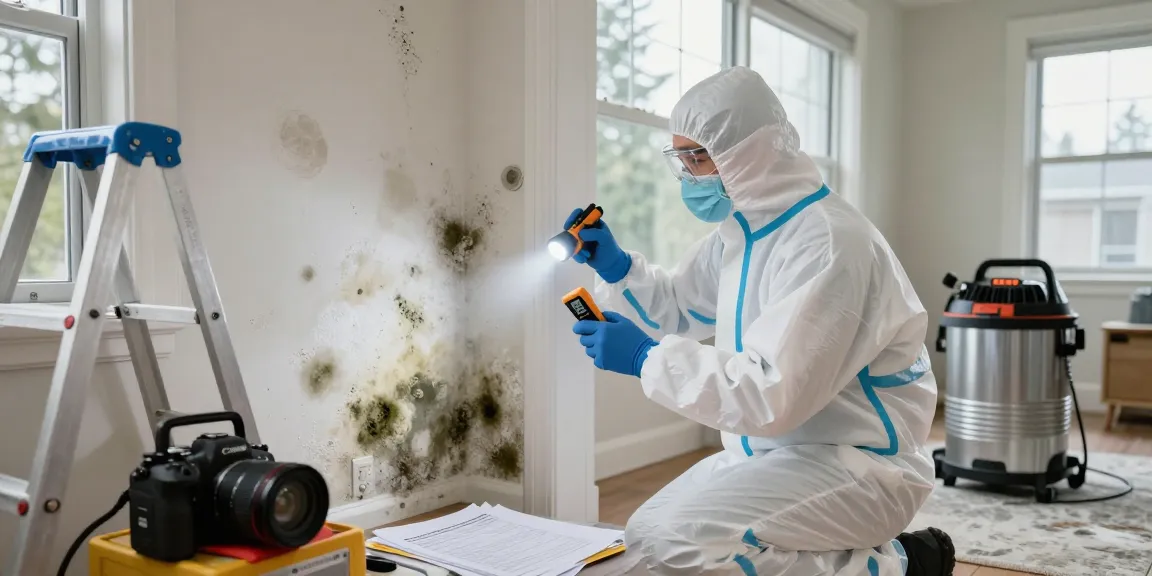
Understanding Mold: The Threat to Vancouver Homes
Mold is an ever-present concern for homeowners, especially in wet climates like Vancouver. With its high levels of rainfall and humidity, the city provides an ideal environment for mold to flourish. Understanding the nature and risks of mold is crucial for homeowners wishing to protect their property and maintain a healthy living space. When exploring options for help, Mold Remediation Vancouver offers comprehensive insights into effective strategies for mold management and prevention.
What is Mold and How Does it Develop?
Mold is a type of fungus that thrives in damp and humid environments. It reproduces by releasing spores into the air, which can easily spread throughout homes and buildings. Mold can develop on various surfaces, including wood, drywall, and fabric, making it a versatile and often overlooked threat.
The conditions for mold growth are generally warm and moist. In Vancouver, common sources of moisture that promote mold development include:
- Leaks from roofs or plumbing
- Condensation on windows and walls
- Improper ventilation in areas such as bathrooms and kitchens
- Flooding or water damage from heavy rains
The Health Impacts of Mold Exposure
The exposure to mold can lead to a range of health issues, especially for individuals with respiratory conditions, allergies, or weakened immune systems. Common health effects associated with mold exposure include:
- Allergic reactions (sneezing, runny nose)
- Asthma attacks
- Respiratory infections
- Skin irritations
- Fatigue and headaches
Given these potential health risks, it’s crucial for homeowners to take immediate action upon discovering mold in their property.
Common Areas in Vancouver Homes Prone to Mold Growth
Mold can hide in various areas of the home, often in places that are not immediately visible. Common areas in Vancouver homes prone to mold growth include:
- Bathrooms – due to frequent moisture from showers and baths
- Kitchens – especially near sinks and dishwashers
- Attics and crawl spaces – often poorly ventilated and prone to humidity
- Basements – which can be damp and dark
- Behind walls – particularly where there may be plumbing leaks
The Importance of Professional Mold Remediation Services
While some homeowners may consider tackling mold issues themselves, the reality is that professional mold remediation services are invaluable for ensuring a thorough and safe resolution to mold-related problems. Properly trained technicians possess the skills, knowledge, and resources required to effectively remove mold and prevent its return.
Why DIY Mold Removal Can Be Risky
Attempting to remove mold without professional assistance can lead to several risks, including:
- Inadequate cleanup, which can allow mold to return
- Potential health risks from exposure to spores during removal
- Improper handling of contaminated materials, leading to spread
For these reasons, hiring a certified mold remediation team is strongly recommended.
Benefits of Hiring IICRC-Certified Technicians
When you engage with IICRC-certified technicians, you benefit from industry-standard practices, including:
- Use of advanced equipment for detection and removal
- Implementation of safety protocols to protect inhabitants
- Comprehensive assessments to determine the extent of mold damage
- Documentation for insurance purposes
What to Expect from a Professional Mold Remediation Process
The typical mold remediation process involves several steps designed to ensure thorough cleaning and prevention of future growth. Key steps include:
- Initial inspection and assessment of mold-affected areas
- Containment procedures to prevent spores from spreading
- Use of HEPA filters and air scrubbers during cleanup
- Removal of contaminated materials as necessary
- Final air quality testing to confirm effectiveness
Our Comprehensive Mold Remediation Process
Step-by-Step Overview of Mold Inspection
The first step in our mold remediation process is a thorough inspection. Technicians assess your home, looking for visible mold formations, moisture sources, and areas that appear to be at risk. This inspection typically involves:
- Visual examinations of suspect areas
- Moisture and humidity readings to identify problem zones
- Air quality testing to detect mold spores
Advanced Techniques for Mold Containment and Removal
Once the inspection is complete, our team employs advanced techniques for mold containment and removal. This may include:
- Setting up negative air pressure to prevent spores from escaping
- Utilization of HEPA filtration systems to trap mold spores
- Application of anti-fungal treatments to eliminate mold colonies
Post-Remediation Air Quality Testing
Following the removal process, conducting air quality tests is essential to ensure the effectiveness of the remediation. Specific steps involve:
- Re-testing air samples to ensure mold spore levels are back to normal
- Monitoring humidity levels to prevent future growth
- Providing a detailed report of findings and recommendations
Understanding the Costs of Mold Remediation in Vancouver
Factors Influencing Mold Remediation Costs
The cost of mold remediation can vary significantly depending on several factors, including:
- The extent of mold growth and damage
- The size of the affected area
- The specific materials that need to be removed or treated
- Accessibility of the mold-affected areas
How to Get a Fair Estimate for Your Property
To receive a fair and accurate estimate for mold remediation, homeowners should seek multiple quotes from certified services. Key considerations include:
- Requesting detailed assessments that outline necessary work
- Inquiring about warranties and guarantees for performed work
- Evaluating the credentials and experience of the service provider
Insurance and Mold Remediation: What Homeowners Need to Know
Understanding how insurance interacts with mold remediation is crucial for homeowners. Often, policies cover mold damages if caused by a covered peril like water damage. Homeowners should:
- Review their policy for mold-related exclusions
- Document all mold damage with photographs and reports
- Communicate with their insurance adjuster throughout the process
Preventing Future Mold Growth in Your Home
Best Practices for Moisture Control in Vancouver
Mold thrives in environments with high moisture levels. To prevent mold growth in your home, consider implementing the following best practices:
- Ensure proper ventilation in bathrooms and kitchens
- Use dehumidifiers in damp areas, especially basements
- Regularly check for and repair leaks in plumbing and roofing
Long-Term Maintenance Strategies for Homes
Regular maintenance can significantly reduce the likelihood of mold problems. Important strategies include:
- Scheduling routine inspections for hidden mold and moisture issues
- Maintaining gutters and downspouts to direct water away from the foundation
- Cleaning and maintaining HVAC systems to ensure proper airflow
When to Schedule Regular Mold Inspections
It’s advisable to schedule professional mold inspections at least once a year, or more frequently in environments prone to moisture. Additionally, consider inspections after:
- Significant water leaks or floods
- Any renovations that involve plumbing or water lines
- High humidity seasons
Do I Really Need Mold Remediation?
If you suspect mold presence in your home, it’s crucial to act promptly. Professional remediation is essential for not only removing visible mold but also ensuring that underlying moisture issues are addressed. Ignoring mold can lead to serious health problems and structural damages.
How Long Does Mold Remediation Take?
The duration of mold remediation can vary based on the extent of the problem. Generally, a typical remediation project may take from a few days to a week. Factors influencing the timeline include:
- The size of the affected area
- The type of mold present
- The complexity of the remediation process
Can Mold Come Back After Remediation?
Yes, mold can return if the underlying causes of moisture are not addressed. It’s essential to implement preventative measures after remediation to stop future occurrences. This includes maintaining proper humidity levels, ensuring adequate ventilation, and addressing any leaks or water damage immediately.