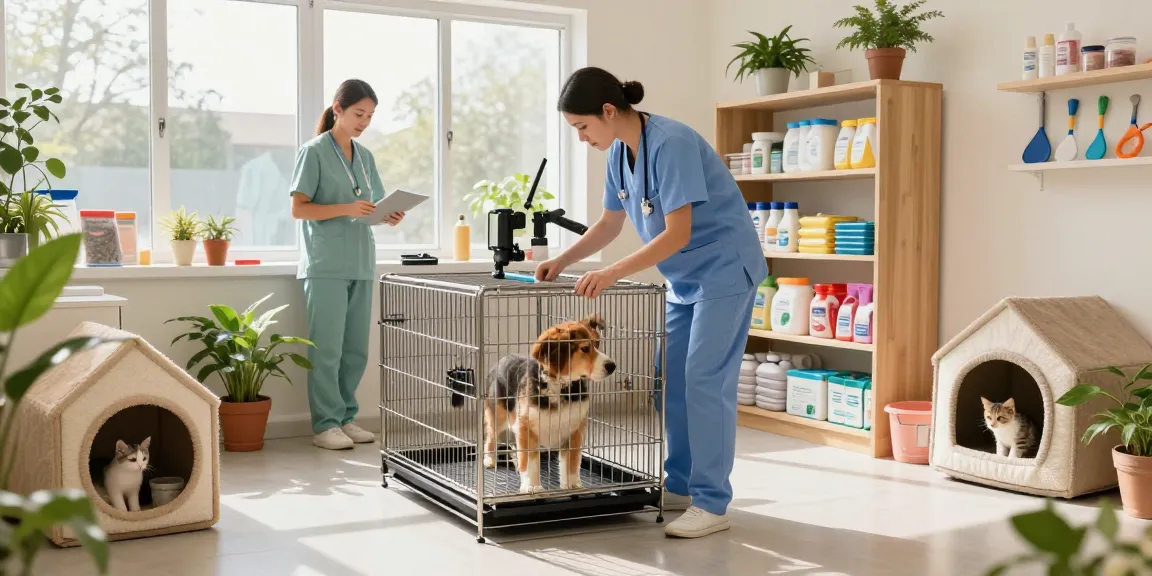
Understanding the Importance of Cages For Animal Professionals
As an animal professional, your primary objective is to ensure the well-being and safety of the animals in your care. The right cages can significantly enhance this mission, serving as secure and comfortable environments that cater to different species and needs. When exploring options, Cages For Animal Professionals not only provide high-quality products but also a deep understanding of animal welfare requirements. Investing in the right type of cages is not just a choice; it is a crucial element in delivering exceptional animal care.
What Types of Cages Are Best for Different Animals?
Different animals require different cage features to feel secure and comfortable. For instance:
- Dogs: Large, sturdy cages with good ventilation are ideal. Look for options with solid structures that can withstand energetic dogs.
- Cats: Cat condos equipped with vertical space for climbing can keep felines entertained and reduce stress.
- Small Animals: Cages designed for guinea pigs or rabbits should allow for plenty of room to move, hide, and interact with each other.
Having a diverse selection ensures that animal professionals can provide tailored accommodations for every species, enhancing both safety and comfort.
Why Comfort and Safety Are Critical for Animal Welfare
The emotional and physical well-being of animals hinges on the environments provided to them. Cages that do not prioritize comfort can lead to stress and anxiety, which may adversely affect an animal's health. Features such as rounded corners, non-toxic materials, and adequate space can positively impact animals' behavior, making them calmer and more amenable to handling. Secure enclosures also prevent escape attempts, ensuring a safer experience for both animals and staff. This is especially critical in veterinary settings, where animals may already be feeling anxious.
The Role of Cages in Veterinary Practices
In veterinary clinics, cages serve not only as holding areas but also as spaces for treatment and recovery. Well-designed veterinary cages can help minimize stress for the animals by incorporating features like:
- Safe, easy-to-clean surfaces: This is pivotal for maintaining hygiene and preventing the spread of illness.
- Transparent doors: These allow for visibility while maintaining a sense of security.
- Adjustable environments: Cages that can be easily modified to meet the needs of individual patients, such as those requiring extra warmth or quiet.
Integrating innovative cage designs can help veterinarians streamline operations while providing superior care.
Maximizing Space and Efficiency with Cages
For animal professionals, space management can be a significant hurdle. Efficient cage design maximizes available space without compromising animal comfort. By implementing strategic layouts and modular systems, facilities can operate more effectively while ensuring animals remain safe and comfortable.
Designing Your Animal Care Facility Layout
When planning a facility, it is essential to consider the flow of both animals and staff. Cages should be placed in such a way that they allow easy access for cleaning and monitoring. Grouping cages of similar sizes together can simplify the setup process and ensure that all animals can be effectively monitored.
Modular Cage Systems: Flexibility for Growing Practices
Modular cage systems offer unparalleled flexibility, allowing facilities to adapt to changing needs. As your practice grows, these systems can be expanded or reconfigured to accommodate new arrivals without necessitating a complete redesign. This adaptability can be crucial for periods of high demand, such as during peak adoption seasons or when handling emergency cases.
Best Practices for Organizing Cage Spaces
Effective organization of cage spaces not only improves efficiency but also enhances animal welfare. Here are some best practices:
- Labeling: Clearly labeling each cage with necessary information helps staff quickly identify specific needs or special requirements for each animal.
- Routine checks: Regular inspections can help identify potential issues such as overcrowding or inadequate heating in specific cages.
- Sufficient space: Ensure that each animal has enough room to stand comfortably, turn around, and lie down fully.
Innovative Features in Cages For Animal Professionals
Keeping up with the latest advancements in cage design can significantly enhance your practice's efficiency and the comfort of the animals you care for. Whether through technology or materials, innovation is key.
The Latest Technologies in Animal Cages
Emerging technologies in animal cages are enhancing safety and efficiency in care settings. Some of these innovations include:
- Smart cages: Equipped with sensors that monitor temperature and humidity, ensuring optimal conditions.
- Integrated feeding systems: Automatically dispense food at set intervals, reducing staff workload.
- Digital health tracking: These features can monitor animals' vital signs and alert staff to potential health issues.
Eco-Friendly Materials and Their Benefits
In today’s world, the demand for sustainable products is growing. Using eco-friendly materials not only helps in protecting the environment but also provides a safe space for animals. Biodegradable flooring and non-toxic finishes can significantly reduce the chemical footprint of your facility.
Customization Options for Unique Facility Needs
Every animal care facility is different, and so are its needs. Custom cage solutions can provide tailored options, such as:
- Adjustable heights: Ideal for accommodating different species with varied size requirements.
- Color coding: This can help in identifying different sections of a facility at a glance.
- Personalized divider solutions: These can separate animals within a shared space, reducing stress and promoting peaceful coexistence.
Real-World Examples of Successful Implementation
Understanding how other facilities have successfully integrated innovative cage systems can provide valuable insights for your own practice.
Case Study: A Veterinary Clinic's Experience with Clark Cages
A leading veterinary clinic recently made the switch to Clark Cages, reconfiguring their existing layout to incorporate modular cage systems. They reported a significant decrease in animal stress levels and an increase in operational efficiency. The staff could easily monitor animals through clear acrylic doors, and the adjustable cage heights allowed them to cater to dogs of all sizes comfortably.
How Boarding Facilities Benefit from Specialized Cages
A prominent boarding facility decided to invest in specialized cages designed for canine guests. By utilizing soundproof materials and adding comforting features, they created an inviting environment that reduced anxiety levels, leading to a 30% increase in client satisfaction.
Insights from Groomers on Cage Setup and Utilization
Grooming professionals have shared that the right cage design can significantly enhance their workflow. Groomers have reported that cages with built-in drying systems and adjustable ventilation can provide added convenience, making the grooming process seamless and efficient.
Future Trends in Animal Care and Cage Design
As we look toward 2026, several trends are emerging in the world of animal care and cage design.
Predictions for Cage Innovations by 2026
Experts predict that the next few years will see a surge in smart technology integration, from automatic cleaning systems to advanced health monitoring features. This advancement will allow for more precise care tailored to individual animal needs.
Emerging Standards in Animal Care Spaces
Regulatory bodies are expected to introduce new standards that require animal facilities to adapt their environments to better support animal welfare. These may include enhanced cage sizes, the use of specific materials, and maintaining optimal cleaning protocols.
The Impact of Customer Feedback on Cage Development
Customer feedback is vital in shaping the future of cage design. Facilities that actively solicit input from staff working with animals can provide invaluable insights, guiding manufacturers in creating cages that better meet real-world challenges.
What are the key advantages of using specialized cages?
Specialized cages significantly improve animal welfare by tailoring environments to meet specific needs, enhancing both comfort and safety while minimizing stress.
How can cages improve the safety of animals in care?
Enhanced safety features in modern cages—like secure locking mechanisms, solid construction, and adequate ventilation—help ensure that animals remain safe and healthy throughout their stay.
What materials are best for modern animal cages?
Utilizing materials that are durable, non-toxic, and easy to clean is essential in modern cage design, as these attributes contribute to animal safety and hygiene.
How do modular cages work for different animal types?
Modular cages can be configured in various ways to accommodate animals of different sizes and needs, allowing for greater flexibility and organization in animal care facilities.
What trends should professionals look for in 2026?
Animal professionals should anticipate a shift toward smarter, more customizable cages that integrate technology for enhanced monitoring and care, alongside sustainability initiatives.