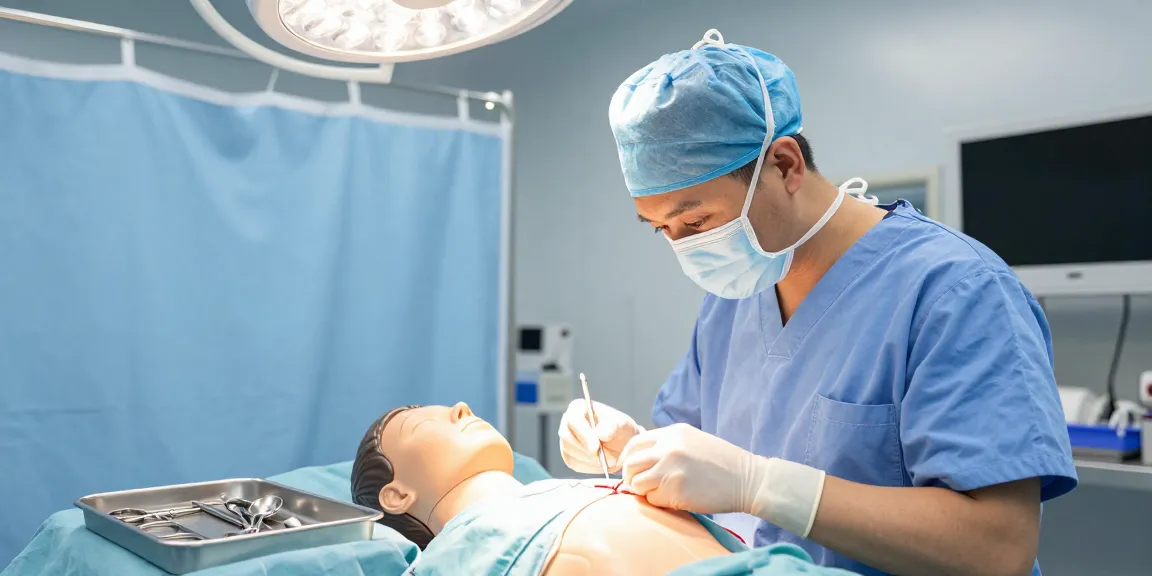
Understanding Suture Kits: Essential Components and Uses
Suture kits are vital tools in the medical field, especially in surgical and emergency settings. They encompass a range of instruments and materials necessary for wound closure and management. Understanding the components and uses of suture kits can enhance medical professionals’ efficiency and patient outcomes. When exploring options, suture kits provide comprehensive insights into the array of products available for various medical needs.
What are Suture Kits?
Suture kits are packaged collections of instruments and supplies used to close wounds, surgical incisions, or lacerations. These kits are essential for healthcare providers, enabling them to perform procedures with the right tools at hand, ensuring the speed and effectiveness of wound management. Generally, they are designed to cater to specific medical fields, including surgery, emergency medicine, and veterinary practice.
Key Components of a Suture Kit
A standard suture kit typically includes the following components:
- Sutures: These are the primary materials used for closing wounds. They can be absorbable or non-absorbable, with varying thicknesses and materials.
- Scissors: Surgical scissors are used to cut sutures or tissue.
- Forceps: These are used for grasping and manipulating tissues during procedures.
- Needle holders: Instruments designed to securely hold needles while suturing.
- Drapes: Sterile covers that maintain a clean environment around the surgical site.
- Antiseptic wipes: Used for cleaning the area before suturing to reduce the risk of infection.
Types of Sutures in Surgical Practice
Suturing techniques can vary based on the type of suture material used. The most common types include:
- Absorbable sutures: These materials dissolve naturally within the body, eliminating the need for removal.
- Non-absorbable sutures: These require removal after the tissue has healed, often used for skin closure.
- Monofilament sutures: This type is composed of a single strand, making it easier to pass through tissue but less flexible.
- Multifilament sutures: These are made of multiple strands twisted together, offering better knot security and handling properties.
Choosing the Right Suture Kit for Your Procedure
Selecting the correct suture kit is crucial for the success of medical procedures. It ensures that the healthcare provider has all the necessary tools tailored to specific needs.
Factors to Consider When Selecting Suture Kits
When choosing a suture kit, consider the following factors:
- Procedure type: Different surgeries require unique tools and suture materials.
- Patient demographics: Factors such as age, skin type, and health conditions can influence suture material choice.
- Environment: Emergency settings may require kits that are easily portable and contain essential items only.
- Cost: Budget constraints can affect the type of suture kit selected.
Common Suture Applications in Different Medical Fields
Suture kits find applications across various medical specialties:
- General Surgery: Used for closing incisions after operations, such as appendectomies.
- Pediatric Medicine: Specialized kits designed for delicate tissues in children.
- Veterinary Medicine: Kits tailored for animal surgeries, which may involve different suture materials.
Innovative Suture Kits in 2026: Trends and Developments
The landscape of suture kits is evolving with advancements in technology. Key trends to watch include:
- Smart sutures: These incorporate sensors to monitor wound healing and infection.
- Biodegradable materials: Increasing focus on environmentally-friendly options.
- Customizable kits: Tailored kits to meet specific surgical needs for different specialties.
Best Practices for Using Suture Kits Effectively
Maximizing the effectiveness of suture kits requires adherence to best practices during use.
Step-by-Step Guide to Wound Closure
Follow these steps for effective wound closure:
- Prepare the site by cleaning it with antiseptic wipes.
- Gather all necessary tools from the suture kit.
- Use forceps to hold the tissue edges together.
- Insert the needle through the tissue, ensuring even spacing between stitches.
- Secure the knot tightly, but not so tight as to constrict blood flow.
- Trim excess suture material as needed.
Common Mistakes to Avoid with Suture Kits
Avoid these common pitfalls when using suture kits:
- Inadequate sterilization: Always ensure tools are sterilized to prevent infections.
- Poor knot security: Loose knots can lead to wound dehiscence.
- Incorrect suture choice: Using the wrong type of suture can compromise healing.
Maintenance and Storage Tips for Suture Kits
Proper maintenance and storage are critical for suture kits:
- Store kits in a cool, dry place to preserve materials.
- Regularly check expiration dates on sutures and other materials.
- Ensure that all instruments are cleaned and sterilized after use.
Real-World Applications of Suture Kits in Medical Procedures
Understanding how suture kits are applied in real-world scenarios enhances their importance in clinical practice.
Case Studies: Successful Surgeries Using Suture Kits
Numerous surgical cases highlight the effectiveness of suture kits. For instance, a case study involving a complex abdominal surgery demonstrated the importance of using an appropriate suture kit, which led to significantly reduced recovery times.
Comparative Analysis of Suture Techniques
Research comparing various suturing techniques shows that using specific kits aligned with the surgical procedure can improve both efficiency and patient satisfaction.
Patient Outcomes: Importance of Proper Suture Techniques
Properly executed suturing techniques are crucial for positive patient outcomes, including faster recovery and minimized scarring. Evidence suggests that the meticulous application of suture kits directly correlates with a decrease in post-operative complications.
Future of Suture Kits in the Medical Field
As medical technology evolves, so too will suture kits and their applications.
Emerging Technologies and Materials for Suture Kits
Innovation in materials science is likely to yield new suture options that offer enhanced durability and biocompatibility, improving surgical outcomes.
Predictions for Suture Kit Innovations by 2026
Future suture kits may incorporate advanced technologies such as artificial intelligence to assist in selecting the right materials based on individual patient factors.
Expert Insights on the Evolution of Surgical Practices
Experts predict that the continued evolution of surgical practices will lead to more customized suture kits tailored to specific procedures and patient needs, paving the way for better surgical outcomes.